Attic & Wall Insulation
Vermiculite Insulation Removal in Denver
Know what's in the attic before you go up there. Get a Free Estimate
Attic & Wall Insulation
Know what's in the attic before you go up there. Get a Free Estimate
Pebble-like, gray-brown or gold-flecked loose-fill insulation in an attic is often vermiculite, and a large share of vermiculite sold in North America through the 1980s came from a mine in Libby, Montana that was contaminated with asbestos. It's frequently branded as Zonolite. You can't tell whether a specific batch contains asbestos just by looking at it.
Denver Asbestos Abatement tests suspect vermiculite insulation and, when asbestos is confirmed, plans safe removal so attic work, electrical upgrades, or added insulation can move forward without disturbing contaminated material.
Vermiculite is a naturally occurring mineral that expands when heated, making it useful as lightweight, pourable attic and wall insulation, and it was sold under brand names including Zonolite from the early 1900s through 1990. The specific concern for homeowners is that a large share of vermiculite sold in North America during that period came from a single mine near Libby, Montana that was contaminated with naturally occurring asbestos, and the resulting insulation was distributed and installed nationwide, including throughout the Denver area, without that contamination being publicly known at the time. Not every vermiculite installation is contaminated, but there is no reliable way to tell by looking at it.
The EPA has published specific guidance on vermiculite insulation because of the Libby mine's history, generally recommending that homeowners avoid disturbing suspected vermiculite insulation, not use the attic for storage that requires walking through it, and have it professionally tested and, if warranted, removed before any attic work, electrical upgrades, or additional insulation is installed. Because vermiculite is loose-fill and easily disturbed by foot traffic or airflow, it behaves more like a friable material in practice even though its mineral fibers differ structurally from other common asbestos-containing products.
Vermiculite was poured or blown into place, so it tends to collect in specific areas of a home.
Loose-fill vermiculite poured between joists is the most common location, often under later insulation layers.
Some homes have vermiculite poured into wall cavities during construction or as a later retrofit.
Wiring, HVAC, storage, or added insulation projects that require going into an attic with existing vermiculite.
Vermiculite is sometimes layered with fiberglass or cellulose added later, which complicates removal.
| Service | Estimated Cost | Average |
|---|---|---|
| Testing & sampling | $400–900 | $600 |
| Small attic (under 800 sq ft) | $3,000–6,500 | $4,750 |
| Standard attic (800–1,800 sq ft) | $6,500–12,000 | $9,000 |
| Large or hard-to-access attic | $12,000–20,000+ | $15,500 |
Cost ranges are general planning estimates and are not guaranteed prices. Attic size, access, depth of material, and disposal requirements can substantially change the final cost.
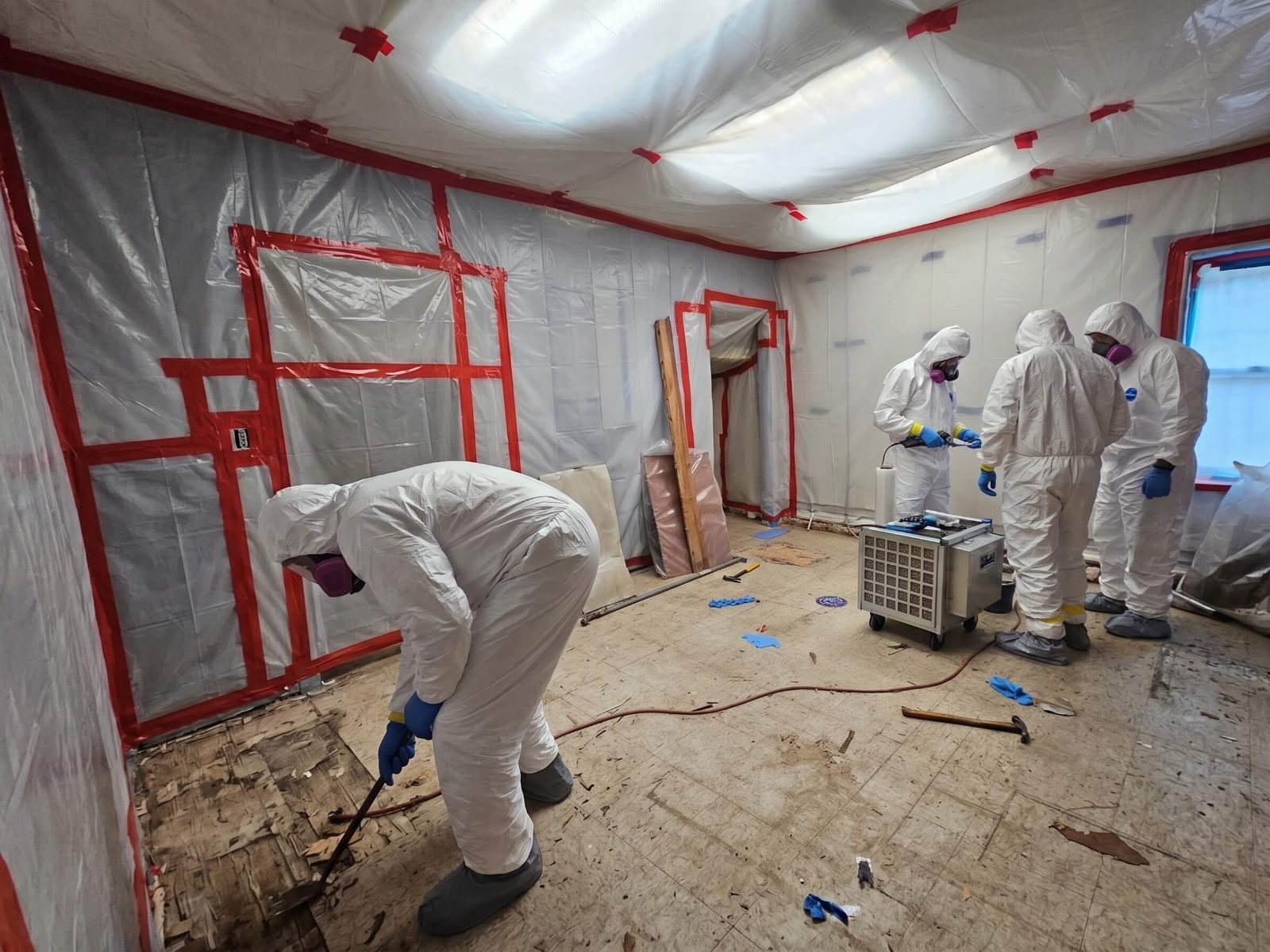
Vermiculite removal uses specialized vacuum and containment methods suited to loose-fill material.
We check for vermiculite in wall cavities and other areas, not just the obvious attic floor.
We coordinate removal so new insulation can go in as soon as the space is clear.
Wondering if that attic insulation is vermiculite? Let's get it tested. Get a Free Estimate.
Free, no obligations
We collect a sample of the attic or wall material and arrange testing to confirm asbestos content.
We map the affected area, including any wall cavities, before scheduling work.
Entry points and living spaces below are sealed off before removal begins.
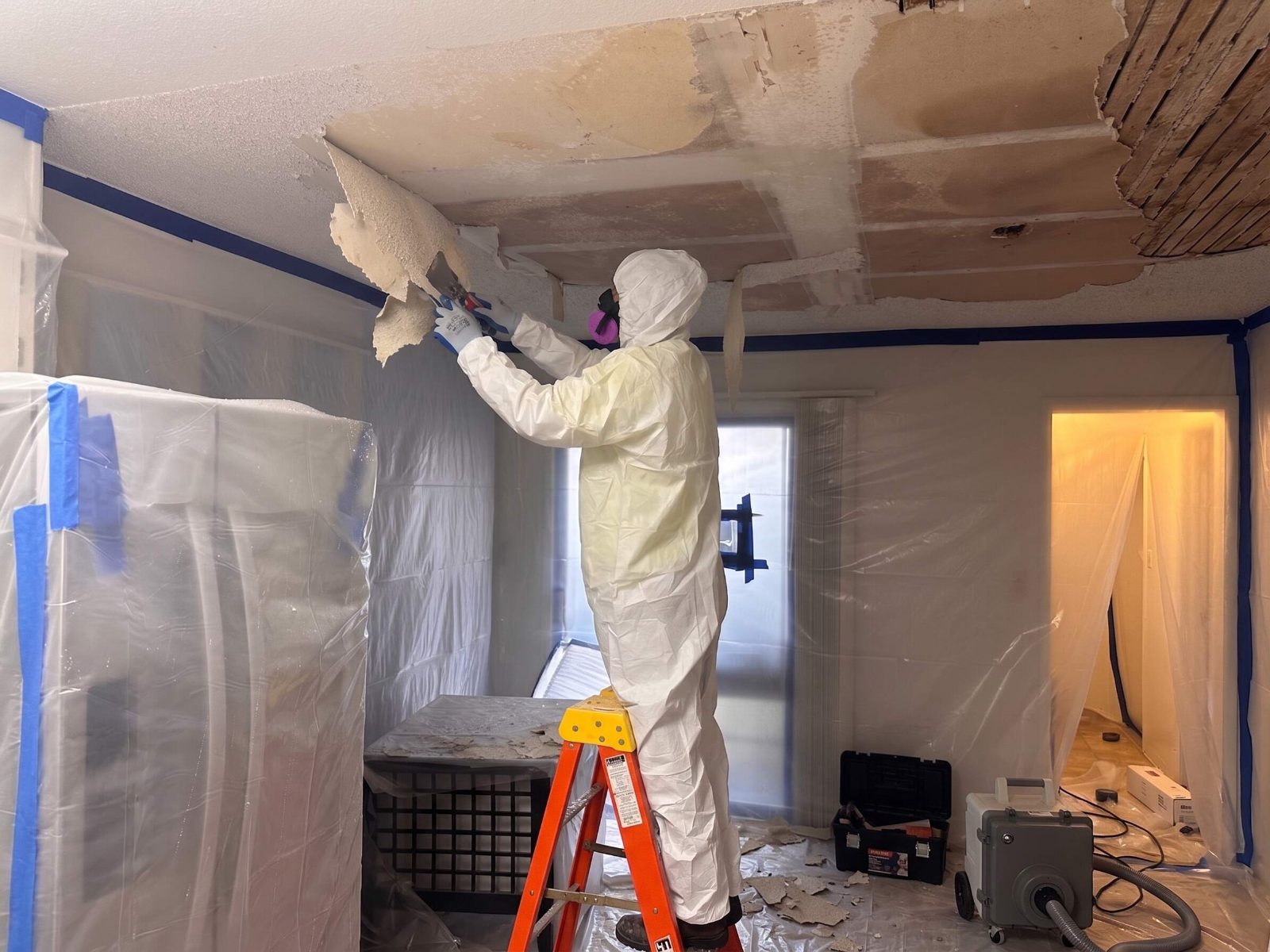
Vermiculite is removed using specialized containment vacuum equipment suited to loose-fill material.
The attic is left clean and ready for replacement insulation.