An Alternative to Removal
Asbestos Encapsulation in Denver
Sometimes sealing is the right call, not tearing out. Get a Free Estimate
An Alternative to Removal
Sometimes sealing is the right call, not tearing out. Get a Free Estimate
Not every asbestos-containing material needs to come out. When it's in good condition, undamaged, and unlikely to be disturbed, sealing it in place with an encapsulant coating can be a practical way to manage the material without a full removal project.
Denver Asbestos Abatement evaluates whether encapsulation is appropriate for your property, and if it is, applies a sealant designed to bind fibers in place and provide a durable, inspectable barrier over the material.
Encapsulation involves applying a specially formulated sealant, called an encapsulant, directly over stable asbestos-containing material to bind fibers in place and create a durable protective barrier, rather than physically removing the material. It's an EPA-recognized in-place management method and is most appropriate for material that is intact, well-adhered to its substrate, and unlikely to be disturbed by future work, such as an undamaged popcorn ceiling in a room that isn't being renovated, or sound pipe insulation that isn't being replaced for other mechanical reasons. Encapsulation is typically faster and less expensive than full removal because it avoids the containment, waste bagging, and disposal steps that removal requires.
Encapsulated asbestos-containing material generally needs to be documented in an operations and maintenance (O&M) plan for the property, noting its location and condition so future contractors, buyers, or maintenance staff know it's there before they drill, sand, or renovate near it. Encapsulation isn't the right fit for damaged, crumbling, or friable material, or for areas slated for renovation, since sealing over deteriorating asbestos doesn't address the underlying problem. A qualified contractor will tell you plainly when removal is the safer long-term choice instead of recommending encapsulation just because it costs less upfront.
Encapsulation works best on stable material that isn't going to be cut into, sanded, or otherwise disturbed.
Undamaged textured ceiling finish in rooms that aren't being renovated can often be sealed rather than scraped.
Stable, undamaged pipe wrap that isn't being removed for other mechanical work.
Intact plaster systems where removal would create more disturbance than sealing in place.
Material in locations where removal would be unusually disruptive or costly relative to the risk.
| Service | Estimated Cost | Average |
|---|---|---|
| Assessment & suitability review | $300–700 | $450 |
| Single room or small area | $1,200–3,000 | $2,000 |
| Multiple rooms | $3,000–7,000 | $4,800 |
| Whole-property encapsulation | $7,000–15,000+ | $10,000 |
Cost ranges are general planning estimates and are not guaranteed prices. Material condition, surface area, and access can substantially change the final cost. Encapsulation is not appropriate for every material or condition, and we'll tell you plainly if removal is the better option.
We only recommend encapsulation when the material and condition actually support it.
We apply coatings designed to hold up over time and remain easy to inspect later.
You get a record of what was sealed, where, and with what product, for future reference.
Not sure if your material should be sealed or removed? Let's evaluate it together. Get a Free Estimate.
Free, no obligations
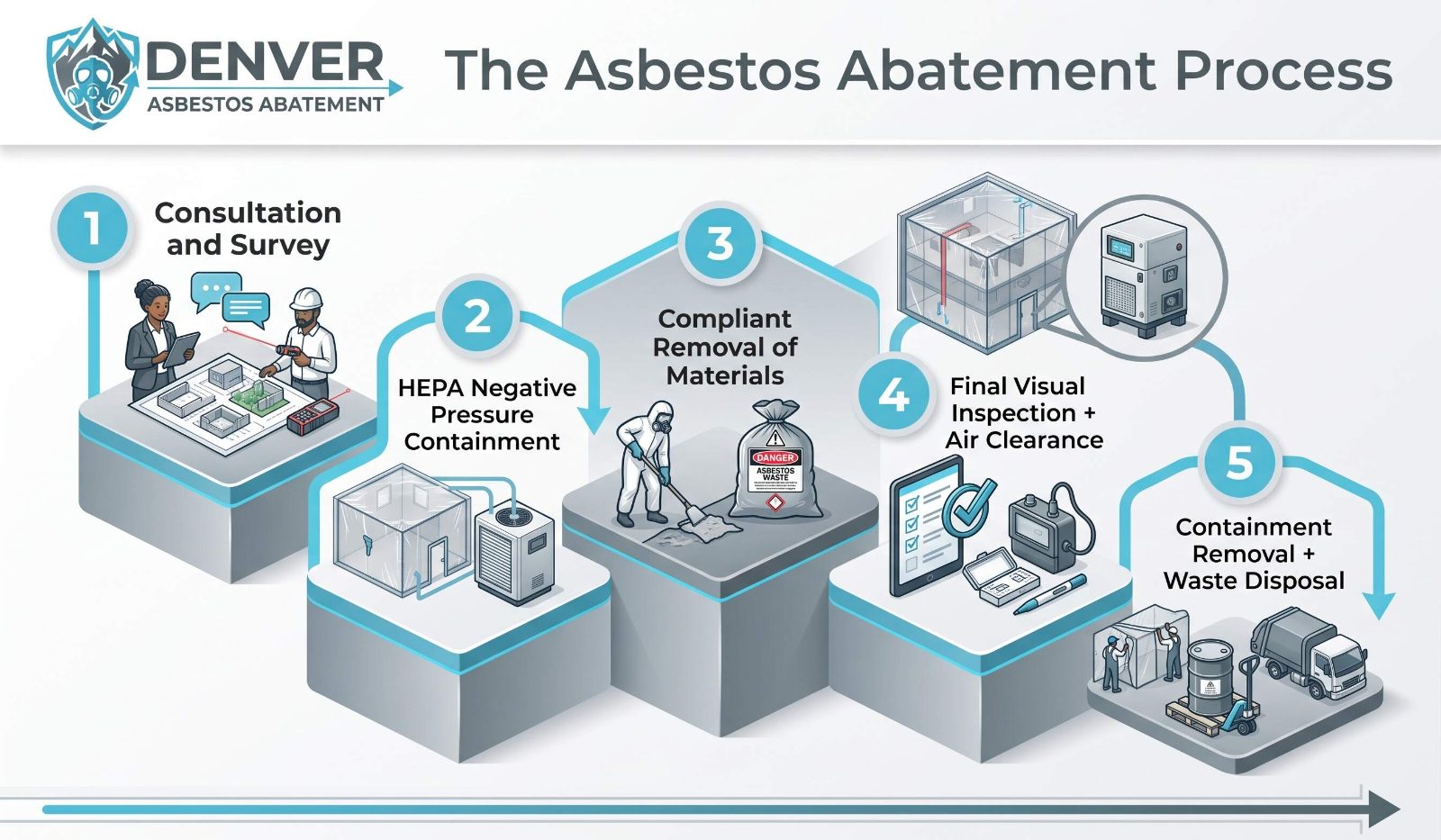
We test the material and evaluate its condition, location, and likelihood of future disturbance.
We explain whether encapsulation, removal, or a combination fits your property and plans.
The space is prepared and protected before any coating is applied.
A sealant suited to the material is applied to bind fibers and create a durable barrier.
We document the completed work so it's on record for future renovation or sale.