
Test Before You Scrape
Popcorn Ceiling Removal in Denver
Pre-1990 texture needs testing first: dry-scraping it blind is how fibers get released. Get a Free Estimate
Test Before You Scrape
Pre-1990 texture needs testing first: dry-scraping it blind is how fibers get released. Get a Free Estimate
Popcorn ceilings applied before the late 1980s were often sprayed with an asbestos-containing texture, and dry-scraping it (the DIY method most homeowners reach for) is one of the fastest ways to release fibers into the air. Age and appearance won't tell you which side of that line your ceiling falls on; a sample and lab test will.
Once we know what we're dealing with, we either scrape it under HEPA containment or, if the texture is intact and you're not renovating that room, seal it in place with encapsulation instead.
Popcorn ceiling texture, also called stipple or acoustic ceiling texture, was a standard finish in Denver-area homes built from the 1950s through the late 1980s, and many manufacturers used asbestos fiber as a cheap, effective way to add texture and dampen sound before the material was restricted in 1978 for most residential uses (though pre-existing stock continued to be applied afterward). Because textured ceiling was sprayed on rather than manufactured as a solid product, it tends to be friable, meaning normal handling, scraping, or even vibration from nearby construction can release fibers into the air more readily than a rigid material like floor tile.
Once testing confirms whether asbestos is present, there are generally three paths forward: full removal by scraping the textured coating off down to the drywall or plaster substrate, encapsulating the existing texture with a sealant designed to bind fibers in place, or skim-coating over the texture with a smooth compound as part of a broader ceiling refinish. Removal is the most disruptive but permanent option; encapsulation costs less and works well for ceilings that won't be otherwise disturbed. The right choice depends on the room's condition, your renovation plans, and whether the ceiling will see future work like recessed lighting or drywall repair.

The safest project starts by understanding the ceiling material and the work you want to perform.
We help determine what information is needed about the textured ceiling before renovation or removal begins.
If asbestos-related work is required, the ceiling project is planned around the appropriate preparation and work-area controls.
When removal is appropriate, the identified material is addressed using controlled procedures suited to the project. If the ceiling is intact and won't be disturbed, encapsulation can sometimes be sealed in place instead of removed.
The affected area is cleaned and brought through applicable closeout steps so the larger renovation can continue as planned.
| Service | Estimated Cost | Average |
|---|---|---|
| Small room | 1,000–2,500 | $1,750 |
| Multiple rooms | 2,500–5,500 | $4,000 |
| Whole-home project | 4,000–10,000+ | $7,000 |
| Complex or large ceiling project | 8,000–15,000+ | $11,500 |
Costs depend on ceiling area, ceiling height, material condition, asbestos-related requirements, preparation, containment, cleanup, and whether additional work is needed. These figures are general planning ranges rather than quotes.
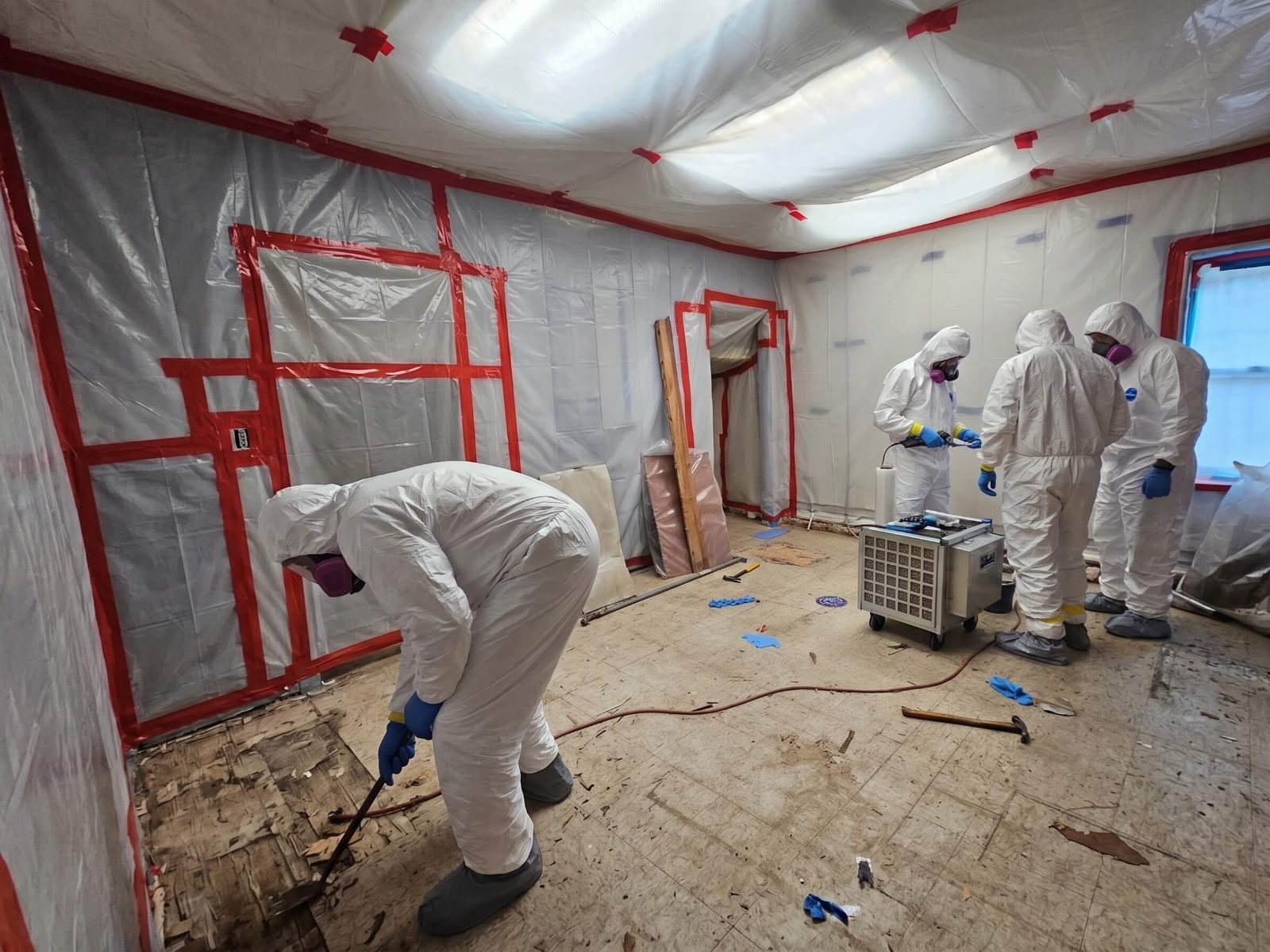
No guessing based on the home's build year: a sample gets tested before any texture comes off.
If sealing in place fits your plans better than scraping, we'll tell you that's an option.
We coordinate with your painter or contractor so the ceiling isn't the thing holding up the rest of the room.
Thinking about scraping an older popcorn ceiling? Talk with us before you start. Get a Free Estimate.
Free, no obligations
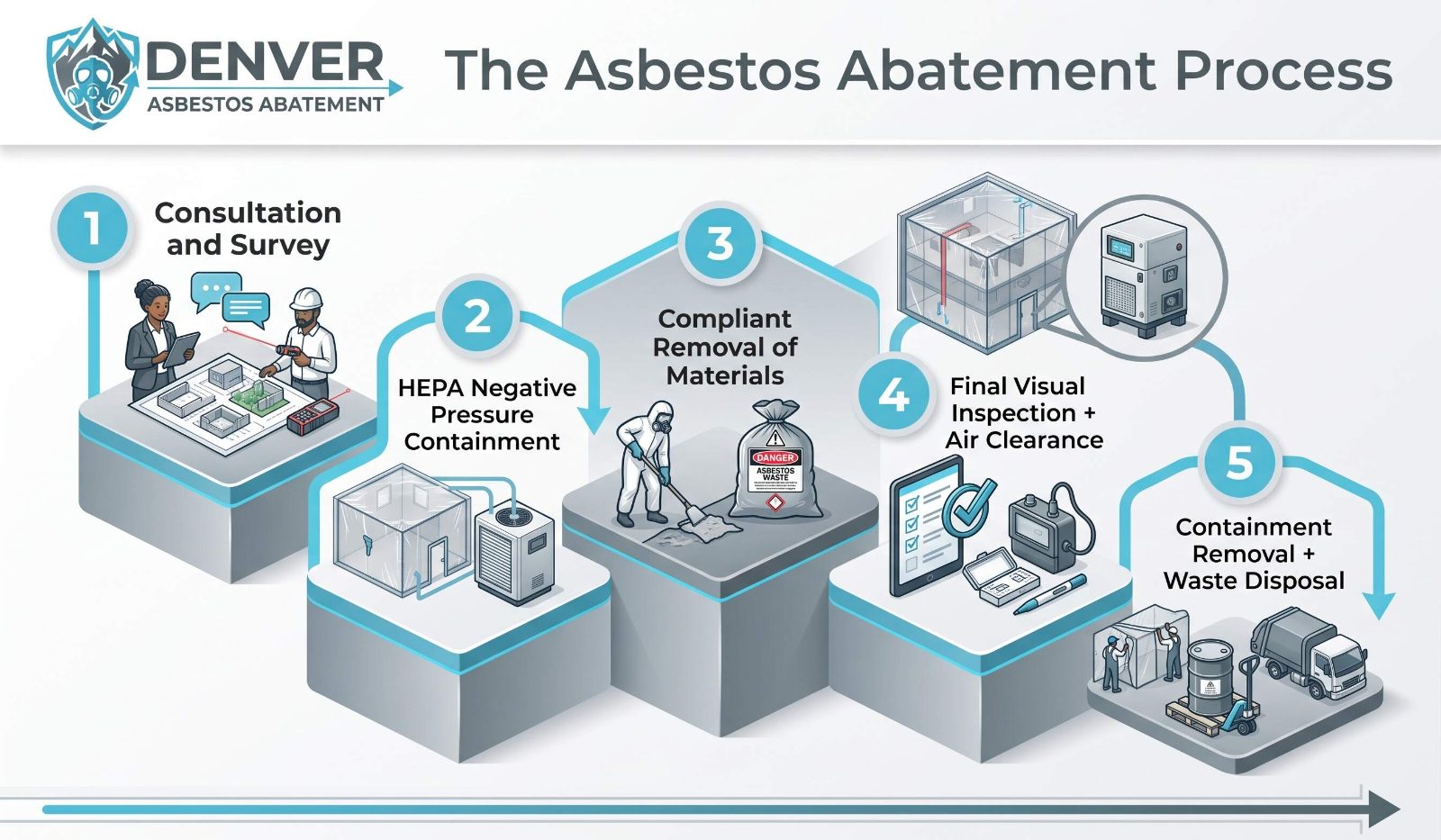
Share the property details, ceiling areas, age of the building if known, and your renovation plans.
We identify the information needed before the ceiling material is disturbed.
If asbestos-related work is required, we establish the appropriate preparation and project sequence.
The agreed ceiling removal scope is completed using appropriate work practices.
The work area is cleaned and the project moves through applicable completion steps.