Controlled Asbestos Work
Asbestos Abatement in Denver
Get a project-specific abatement plan. Get a Free Estimate
Controlled Asbestos Work
Get a project-specific abatement plan. Get a Free Estimate
Abatement is the regulatory umbrella term for controlling asbestos-containing material, and it covers more than one method: removal, encapsulation, enclosure, or repair. Which one applies depends on the material, its condition, and what you're planning to do with the space, not just its age.
Colorado requires asbestos abatement work to be performed by certified contractors and supervisors, with the project notified to the Colorado Department of Public Health and Environment (CDPHE) when regulated materials and quantities are involved. We handle that notification and run the job under HEPA-filtered negative-air containment, so the work area stays sealed off from the rest of the property while it's underway.
Asbestos-containing material (ACM) was used widely in building products through the early 1990s, including thermal system insulation, floor tile and mastic, textured ceiling coatings, cement siding, and joint compound. In Colorado, work that disturbs regulated ACM above certain thresholds falls under Colorado Department of Public Health and Environment (CDPHE) air quality rules and federal NESHAP (National Emission Standards for Hazardous Air Pollutants) requirements, which govern how friable and non-friable asbestos must be identified, contained, and disposed of. Property owners planning a renovation, demolition, or repair on a building constructed before 1990 are generally expected to determine whether regulated material is present before work begins, rather than relying on assumptions based on the building's age or appearance alone.
Denver's housing stock spans bungalows and brick two-stories from the 1900s through 1940s, ranch and split-level homes from the postwar boom, and mid-century commercial buildings across the metro core, each era with its own typical building materials and asbestos risk profile. A licensed abatement contractor evaluates the specific material, its friability, and its condition before recommending removal, encapsulation, enclosure, or repair, rather than defaulting to the most disruptive option. Working with a certified asbestos abatement company also means the project is documented for future renovation, refinancing, or resale, since buyers and lenders increasingly ask for records showing regulated material was addressed by a qualified contractor rather than an unlicensed handyman.
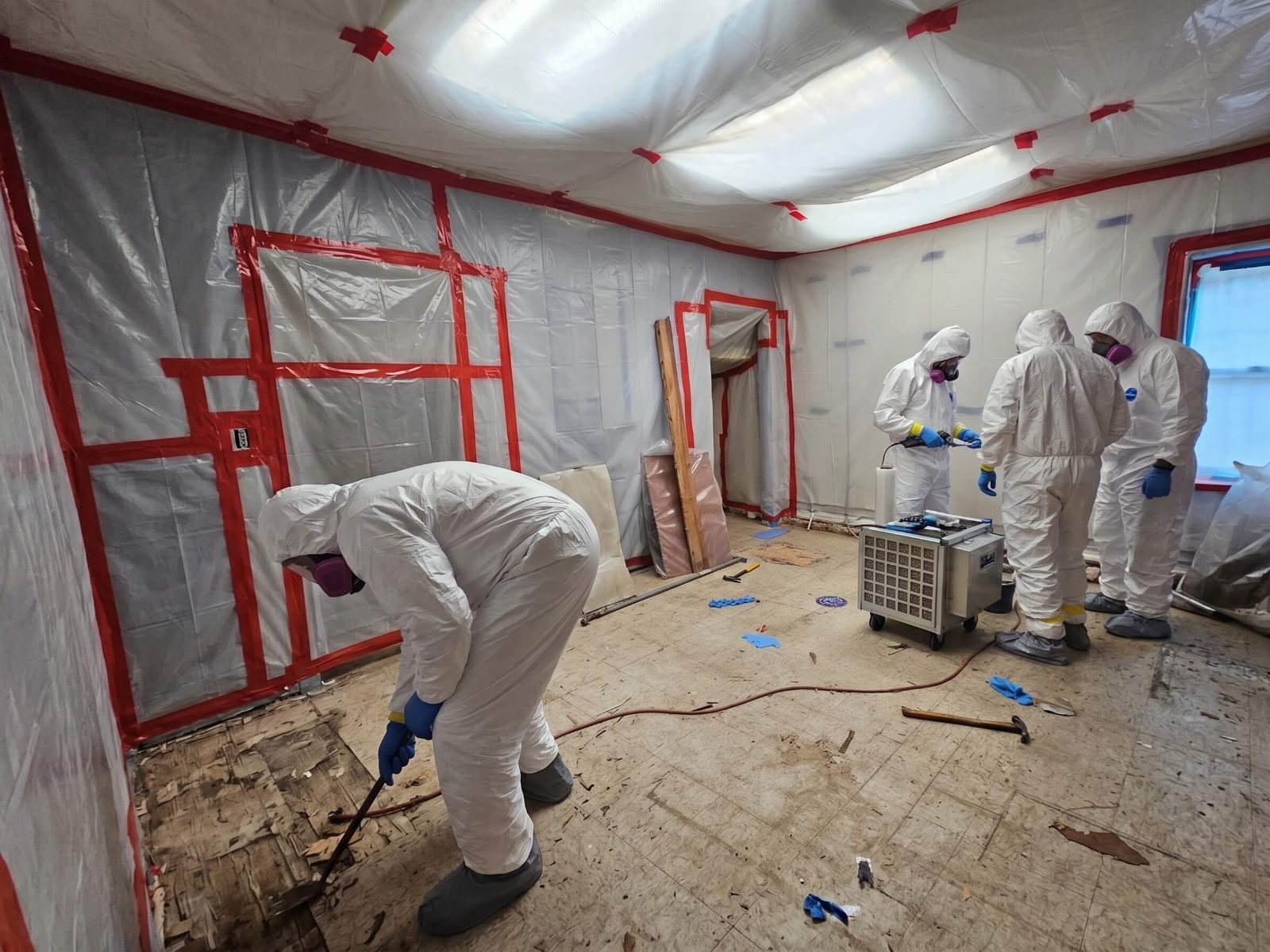
We recommend the method that fits the material and your plans for the space, not the most expensive option by default.
The material comes out entirely: the right call when it's damaged, in the way of renovation, or you want it gone for good. See our asbestos removal page for the full process.
Stable, undamaged material is sealed in place with a bonding coating instead of removed. See asbestos encapsulation.
An airtight barrier is built around the material, isolating it without disturbing it, commonly used for pipe chases and mechanical spaces.
Small areas of damage are patched and sealed on material that's otherwise sound, rather than treating the whole area as a full project.
| Service | Estimated Cost | Average |
|---|---|---|
| Small residential abatement | 1,500–4,000 | $2,750 |
| Popcorn ceiling abatement | 2,000–6,000+ | $4,000 |
| Larger multi-area abatement | 5,000–15,000+ | $10,000 |
| Commercial abatement | 5,000–25,000+ | $15,000 |
These are planning ranges, not quotes. Actual cost can vary significantly based on material type, quantity, accessibility, containment requirements, testing, project size, building conditions, and applicable requirements. A project-specific estimate is the best way to determine cost.
If encapsulation or enclosure genuinely fits your material, we'll say so instead of defaulting to full removal.
Where a project requires state notification before work begins, we file it and manage the paperwork.
Work areas are sealed and run under negative pressure so fibers stay contained, not spread through the rest of the property.
We take occupants, access needs, and your renovation timeline into account when sequencing the work.
Planning a renovation or dealing with known asbestos? Talk with our team about the right next step. Get a Free Estimate.
Free, no obligations
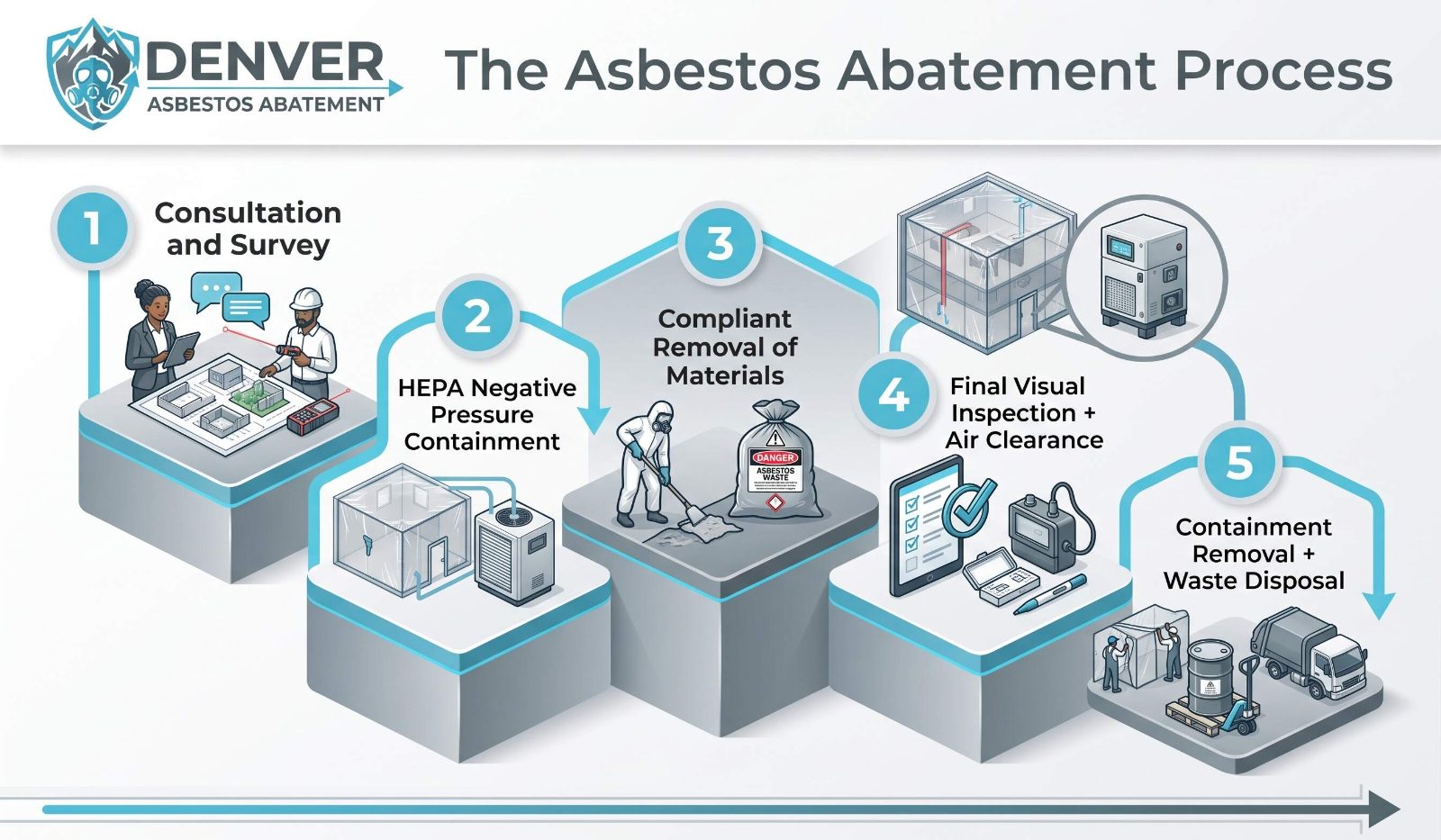
Tell us what material concerns you, what you know about the building, and what work you are planning.
We review the available information and determine what needs to be addressed before establishing the project plan.
The project is organized around the appropriate access, containment, protection, and controlled work requirements.
The identified material is addressed according to the established scope and applicable requirements.
The work area is cleaned and the project moves through its applicable completion procedures.