Full Material Removal
Asbestos Removal in Denver
When the material needs to be gone, not managed in place. Get a Free Estimate
Full Material Removal
When the material needs to be gone, not managed in place. Get a Free Estimate
Removal is one of four ways to handle asbestos-containing material (see asbestos abatement for the other three), and it's the right one when the material is damaged, directly in the path of your renovation, or you'd rather have it gone than managed in place. Once removal is the plan, it's controlled work, not ordinary demolition.
Denver Asbestos Abatement handles removal under HEPA negative-air containment, with material bagged, labeled, and hauled to an approved disposal facility, not just pulled out and set aside.
Asbestos removal is the physical extraction of asbestos-containing material from a property, and the correct method depends heavily on whether the material is friable (easily crumbled by hand, releasing fibers readily) or non-friable (bound into a rigid product like vinyl tile or cement siding). Friable material, such as damaged pipe insulation or sprayed-on fireproofing, generally requires full containment with polyethylene sheeting, negative-air machines with HEPA filtration, and workers in respiratory protection. Non-friable material can sometimes be removed with less containment, though Colorado and EPA rules still govern handling, wetting, bagging, and disposal regardless of friability. A qualified removal contractor tests the material first, since visual inspection alone cannot reliably tell friable asbestos-cement board from ordinary fiber-cement siding.
The most frequent removal requests we see across the Denver metro involve popcorn ceiling texture, 9x9 and 12x12 vinyl floor tile with black mastic adhesive, transite (asbestos-cement) siding and shingles, vermiculite attic insulation, and pipe or boiler lagging in older mechanical rooms. Removal cost and timeline scale with square footage, material condition, and accessibility. For example, a single popcorn ceiling in a small bedroom is a very different project from a whole-house tile removal ahead of a flooring replacement. Getting a written scope and fixed removal plan before work starts protects you from surprise change orders once containment is already up.
Our approach focuses on identifying the actual removal scope and preparing the job around the property.
Textured and popcorn ceiling materials, plus older ceiling tile, may require removal before remodeling, electrical work, lighting changes, or other renovations.
Older vinyl floor tile and adhesive can require careful evaluation before they are disturbed during renovation.
Vermiculite attic insulation, pipe and boiler insulation, and cement siding may require specialized handling when identified as asbestos-containing.
We help coordinate removal when asbestos-containing material conflicts with a planned renovation, repair, or demolition project.
| Service | Estimated Cost | Average |
|---|---|---|
| Small material removal | 1,500–4,000 | $2,750 |
| Single-room removal | 2,000–5,000 | $3,500 |
| Multiple-room removal | 4,000–10,000+ | $7,000 |
| Large or complex removal | 10,000–25,000+ | $17,500 |
Cost ranges are general planning estimates and are not guaranteed prices. Material type, quantity, access, building conditions, containment, testing, project timing, and applicable requirements can substantially change the final cost.
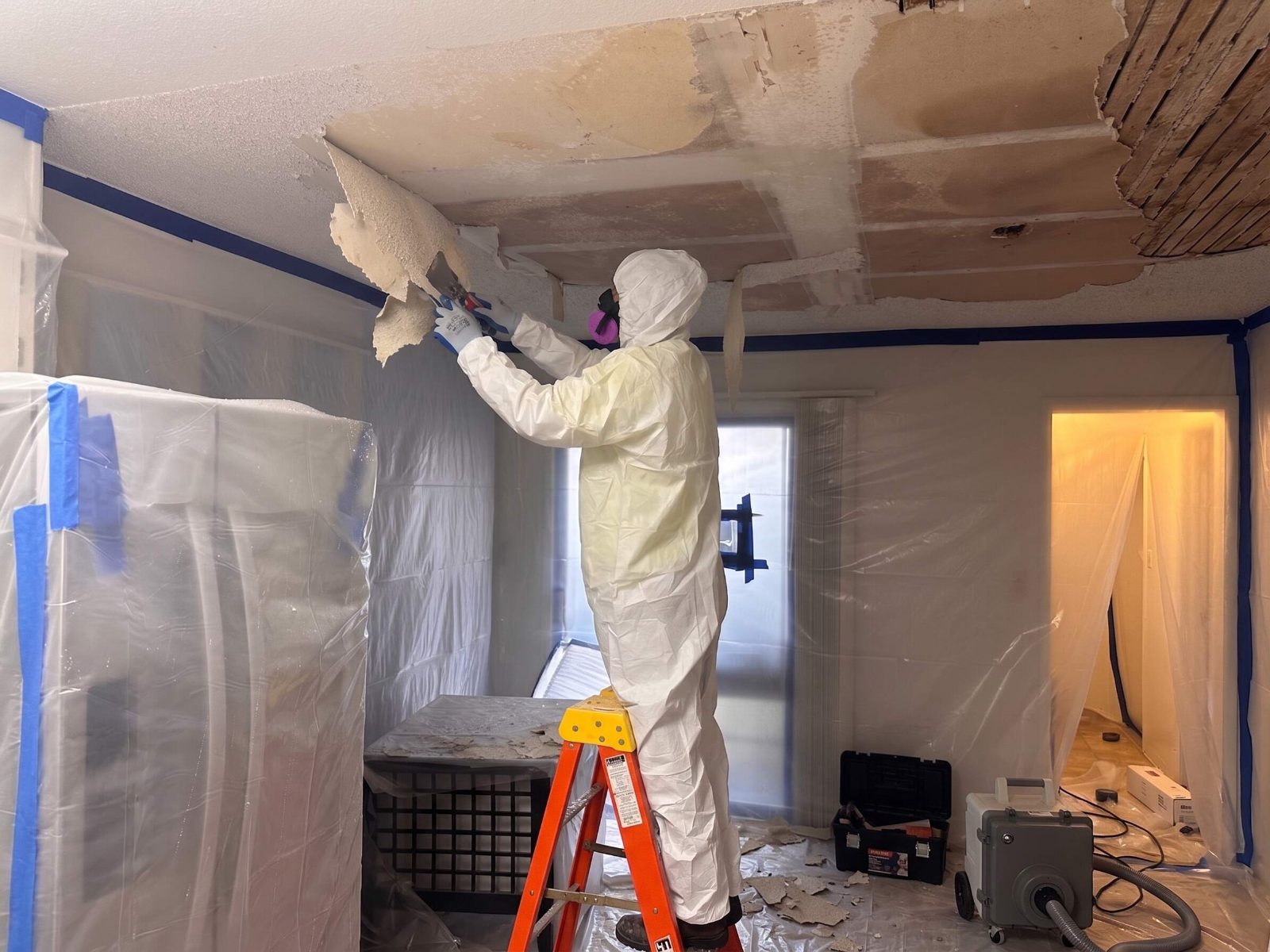
Poly sheeting, negative air, and decon procedures are set up before anything is disturbed, not just a dust mask and a trash bag.
We slot removal into your renovation timeline so the next trade isn't waiting on us longer than necessary.
Material is bagged, labeled, and taken to an approved facility, with records available if you need them.
Have material that needs to come out before renovation? Let us help you define the removal scope. Get a Free Estimate.
Free, no obligations
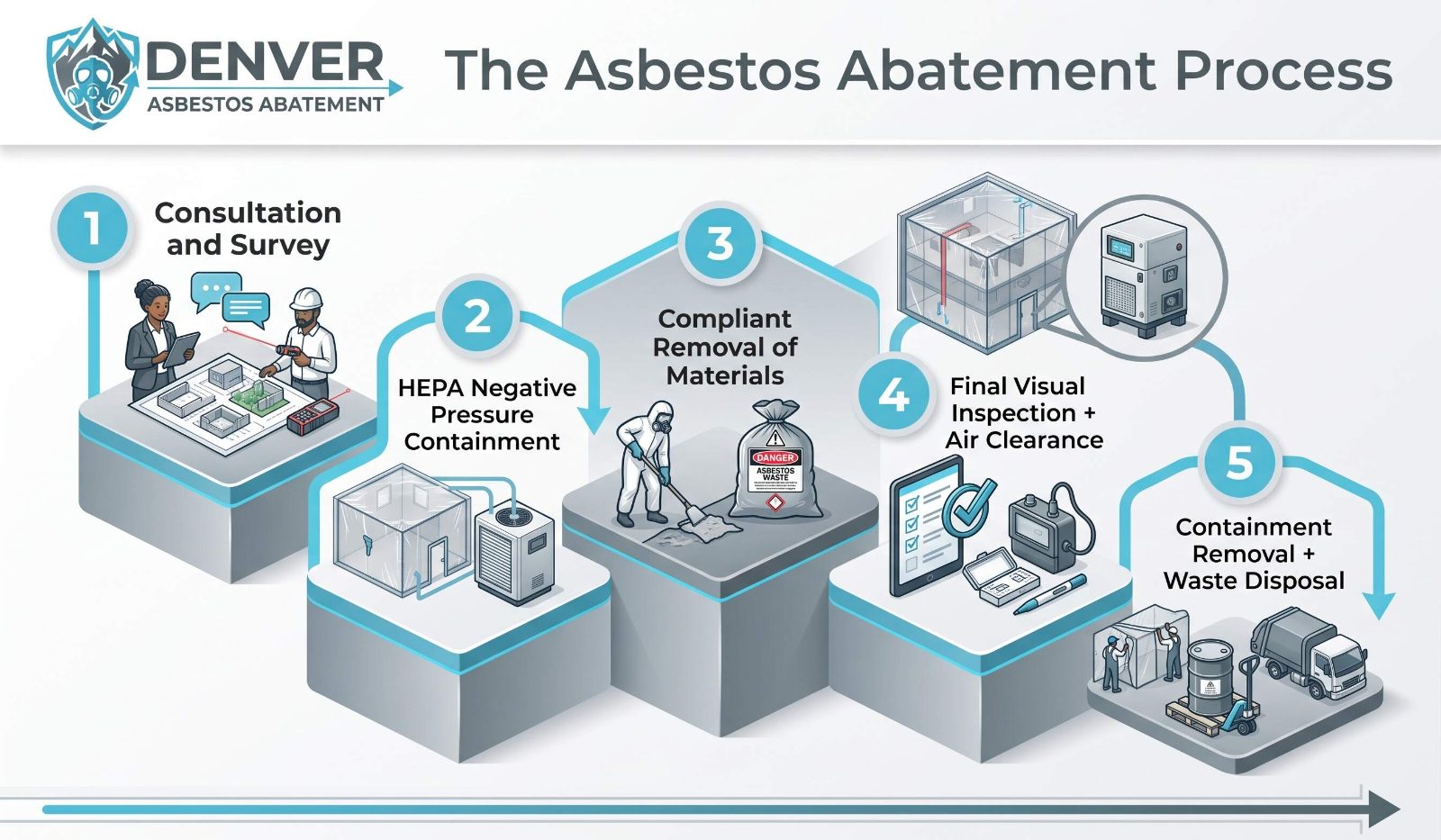
We discuss the material, property, age of the building, and planned work.
The affected material and work area are evaluated so the project can be planned appropriately.
The work area is organized and controlled according to the requirements of the project.
The identified asbestos-containing material is removed using the appropriate controlled work practices.
The work area is cleaned and the project proceeds through its applicable closeout requirements.