Boiler & Pipe Lagging
Asbestos Pipe Insulation Removal in Denver
Old pipe wrap in the basement or mechanical room deserves a second look. Get a Free Estimate
Boiler & Pipe Lagging
Old pipe wrap in the basement or mechanical room deserves a second look. Get a Free Estimate
Steam and hot water pipes, boilers, and ductwork in older Denver homes and commercial buildings were commonly wrapped in asbestos-containing insulation, sometimes called pipe lagging or pipe wrap. It often shows up as a chalky white or gray wrap, corrugated paper covering, or molded block insulation around fittings and elbows.
Denver Asbestos Abatement tests suspect pipe and boiler insulation and plans removal so mechanical, plumbing, or basement finishing work can proceed safely.
Before the 1980s, asbestos fiber was a standard ingredient in thermal system insulation because of its heat resistance and low cost, and it shows up as corrugated paper wrap, molded pipe covering, block insulation on boilers and furnaces, and troweled-on insulating cement at fittings and joints. Steam heating systems, common in older Denver homes and commercial buildings with radiator heat, are especially likely to have this type of insulation somewhere in the mechanical system, even if parts of it have already been replaced or repaired over the years. Because this material was designed to be lightweight and easily formed around irregular shapes, it's typically friable and prone to releasing fibers when disturbed, cut, or simply aged and crumbling.
Chalky white, gray, or off-white wrap on pipes; corrugated cardboard-like covering; troweled or molded insulation at elbows and valves that looks different from the surrounding pipe wrap; and any exposed, frayed, or crumbling insulation around a boiler or furnace are all reasons to have the material tested before plumbing, heating, or basement finishing work begins. Because pipe runs often pass through multiple rooms and floors, a single suspect material can affect a larger area of the building than it first appears.
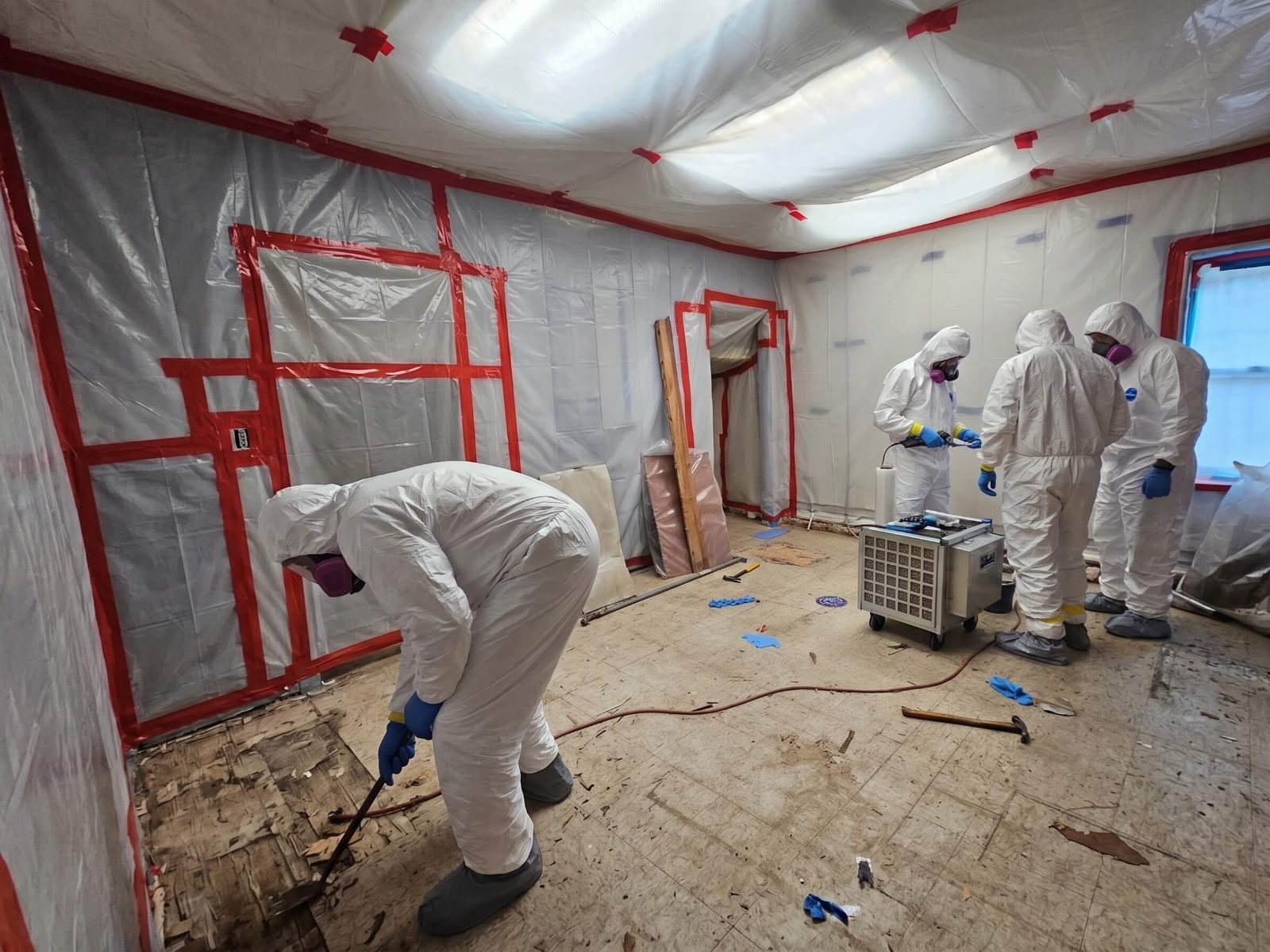
Mechanical systems age at different rates across a property, so we evaluate each run and fitting rather than assuming uniform material.
Corrugated or molded insulation wrapped along straight runs of pipe in basements and mechanical spaces.
Insulating cement or wrap applied directly to older boilers, furnaces, and connected ductwork.
Molded insulation blocks at pipe joints and valves, which are often more brittle and friable than straight-run wrap.
Plumbing repairs, boiler replacement, or basement finishing that requires accessing wrapped pipe.
| Service | Estimated Cost | Average |
|---|---|---|
| Testing & sampling | $350–800 | $550 |
| Single run or a few fittings | $1,000–2,800 | $1,800 |
| Full basement or mechanical room | $3,000–7,500 | $5,000 |
| Boiler & connected ductwork system | $7,500–16,000+ | $11,000 |
Cost ranges are general planning estimates and are not guaranteed prices. Pipe run length, number of fittings, accessibility, and disposal requirements can substantially change the final cost.
We're familiar with the pipe wrap, lagging, and fitting insulation found in older Denver mechanical systems.
We work around your plumber, HVAC contractor, or boiler installer's schedule.
We don't assume every run is the same; joints and elbows are checked individually.
Got old pipe wrap or boiler insulation you need evaluated? Let's get started. Get a Free Estimate.
Free, no obligations
We review pipe runs, fittings, boilers, and ductwork, and sample suspect insulation for testing.
We coordinate the removal scope with any plumbing, HVAC, or boiler work already planned.
Basements and mechanical rooms are sealed off before insulation is disturbed.
Insulation is removed run by run and fitting by fitting using controlled work practices.
The area is cleaned and ready for new insulation or connected trade work.